Athens, Europe
You've got 48h in Athens?

This is the only non-postcard guide you will ever need!
I’ve been around Athens long enough to tell you something simple: if you follow the classic list, you’ll see the city, but you won’t feel it. So, here’s a better 48-hour version. No fluff, just the parts that stay in your head after you leave.
This is absolutely not an advice to skip all the famous landmarks, it’s simply a spotlight on the unspoken corners of the city.
Day 1: Where Athens starts to feel real
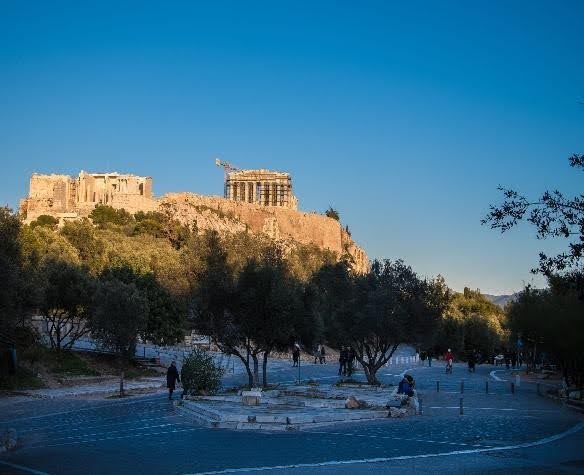
Start in Koukaki. It’s close to everything, but it doesn’t feel like “tourist Athens.” It’s more like people live here—which is rare in the centre of most capitals. Sit somewhere small, order a coffee, and just watch the rhythm. No rush, no plan.
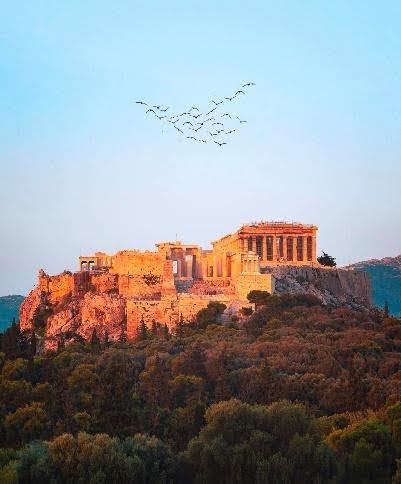
From there, walk up to Filopappou Hill. Everyone talks about the Acropolis, but honestly, this hill gives you a better experience: same view, less noise, more space to think. You’ll probably end up staying longer than you planned.
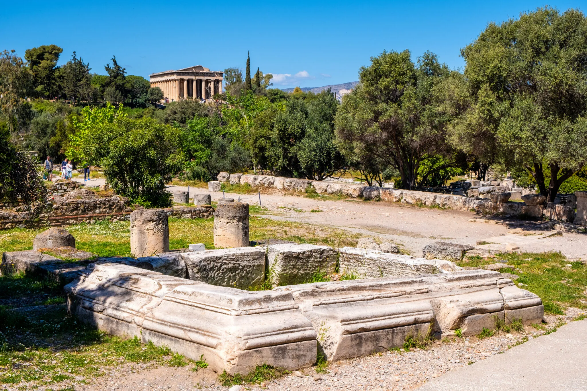
Now go down and drift into Thisseio / Psyri edges. Don’t look for “spots,” just walk. Athens rewards people who get slightly lost.
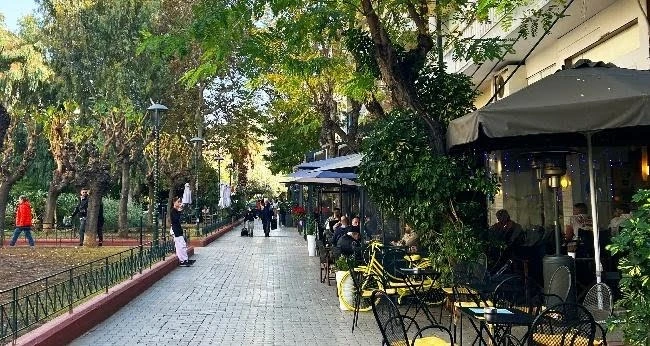
In the afternoon, head to Kypseli. This is where the city stops trying to impress you. It’s mixed, chaotic, creative in a very unfiltered way. You’ll see old shops next to new cultural spaces, random bars next to bakeries that have been there forever. It’s not polished—and that’s exactly why it’s interesting.
Nighttime? Forget rooftop cocktails for a second. Go somewhere small in Exarchia. It’s loud, a bit rough, sometimes messy—but it has personality. You don’t just “go out” there, you end up staying longer than expected.
Day 2: markets, sea air, and food you don’t find in guides
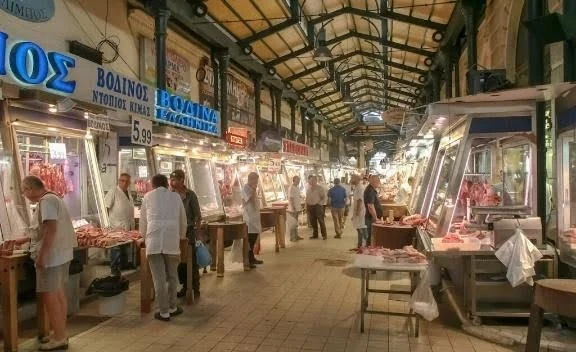
Start at Varvakios Market early. This is Athens without any filter. Fish being cleaned, butchers shouting, spices everywhere. It’s not aesthetic—it’s real life. Grab something simple around the area after, nothing fancy.
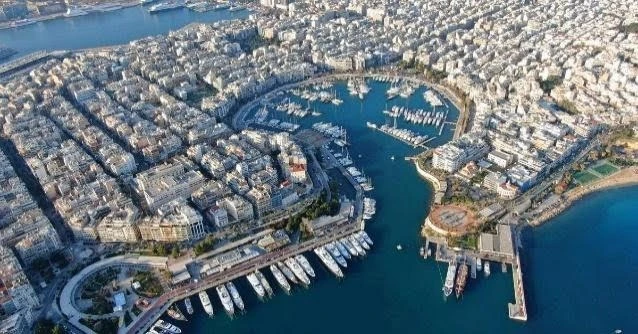
Then move toward Piraeus backstreets. Not the port terminals—the small side streets, the cafés where locals sit for hours. Sit by the sea, slow down. Athens changes pace near the water.
You’ll notice something: Athens doesn’t really separate “old” and “new.” Everything exists together. That’s why you can walk from ancient ruins to a random bakery in five minutes and it still feels normal.
Now, food (my favourite part)
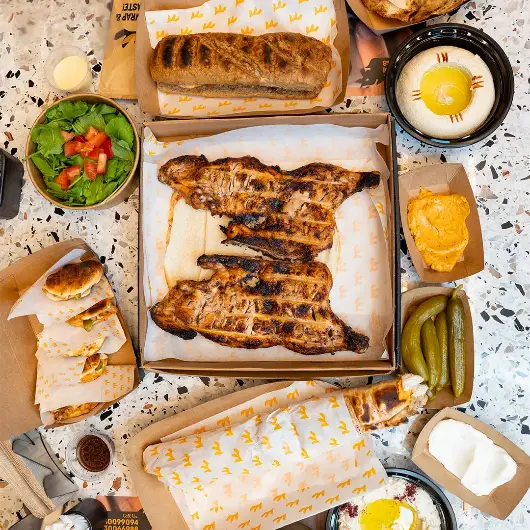
There’s something nobody really puts on tourist lists, but locals know it quietly. A Lebanese street food spot called Al Abdallah Chicken. Some people just call it “the unspoken.” Charcoal chicken, strong garlic sauce, simple wraps—but done properly. No hype, no aesthetic branding, no tricks. Just flavour that hits immediately. It’s the kind of place you don’t “discover,” you get told about once and then you remember it every time you’re hungry in Athens.
One thing you shouldn’t rush
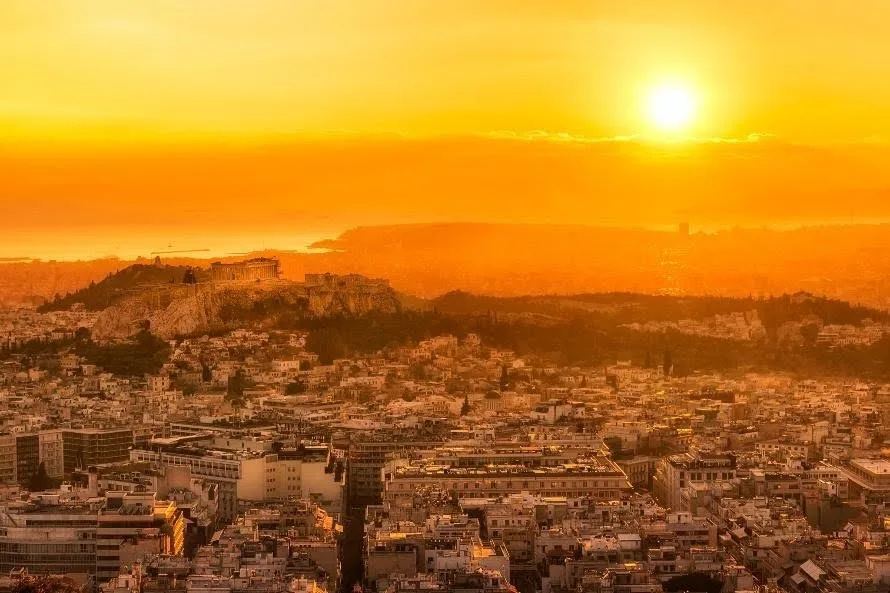
Athens has a strange talent: it makes people slow down. Around sunset, you’ll notice rooftops filling up, people sitting on steps, friends gathering in parks with coffee or a beer, and nobody seems to be in a hurry. If you find a good view—whether it’s Filopappou, Lycabettus, or just a random terrace—stay a little longer than planned. The city looks completely different when the light turns orange, and the Acropolis starts to glow. It’s one of those moments that costs nothing but ends up becoming your favourite memory.
Before you leave
Athens is not a city you finish. It doesn’t give you a clean ending or a perfect checklist. You just collect moments: a view from a hill, a noisy market, a random street in Kypseli, a meal you didn’t expect to remember.
And honestly, 48 hours is enough to understand the shape of it—but not enough to fully catch it. That’s what keeps people coming back.






 +39 06 49382682